Cerebral Palsy Treatment Options: Therapies, Surgery & Medications for Children
Cerebral palsy treatment focuses on improving your child’s abilities, preventing complications, and maximizing quality of life. While cerebral palsy itself is not progressive—the brain injury does not worsen over time—a comprehensive treatment plan can help your child develop motor skills, manage symptoms, and achieve greater independence. Many families are understandably overwhelmed when navigating treatment options for cerebral palsy, but understanding what’s available is the first step toward building a care plan that works for your child.
If your child’s cerebral palsy resulted from preventable medical errors during birth, you may have legal options. A birth injury attorney can review your case at no charge and help you understand whether malpractice occurred during labor and delivery. Because time limits apply to filing birth injury lawsuits, it’s important to get answers sooner rather than later. Contact a birth injury lawyer today for a free, confidential case evaluation to explore compensation that can help cover the cost of your child’s ongoing treatment.
On this page:
- Understanding cerebral palsy treatment goals
- Physical therapy for cerebral palsy
- Occupational therapy approaches
- Speech and language therapy
- Medications for symptom management
- Botox and spasticity treatments
- Surgical interventions
- Assistive devices and equipment
- Alternative and complementary therapies
- Creating a comprehensive treatment plan
- Paying for cerebral palsy treatment
- Finding the right specialists
- Frequently asked questions
Understanding Cerebral Palsy Treatment Goals
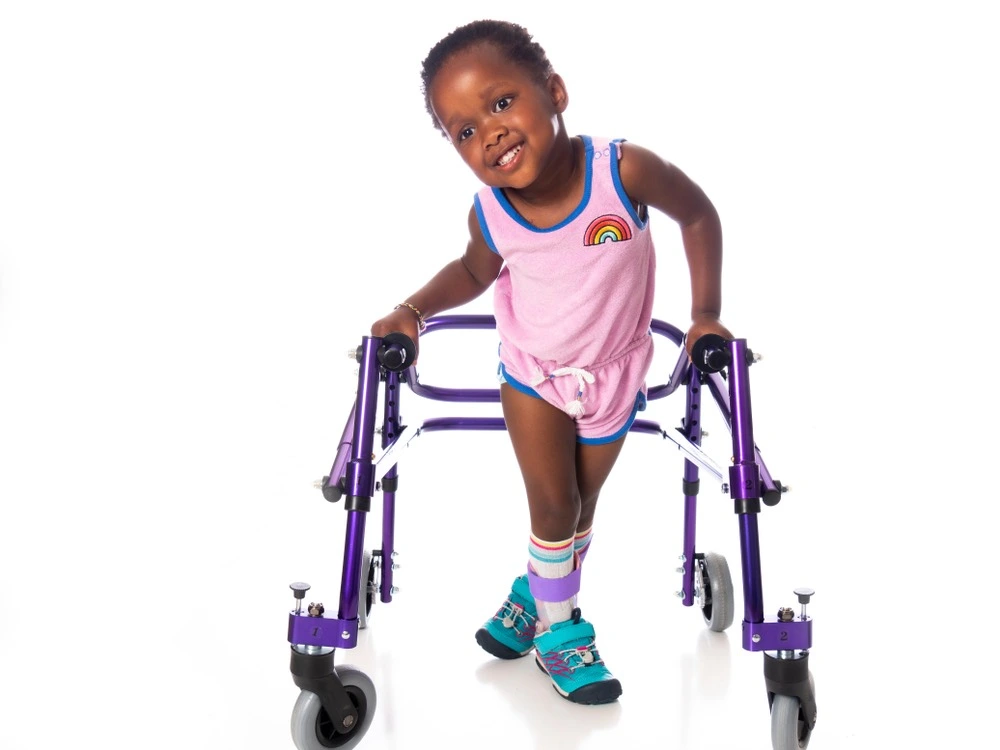 How to treat cerebral palsy depends on your child’s specific type, severity, and symptoms. No two children with CP present exactly the same way, which means treatment must be highly individualized. The primary goals of cerebral palsy treatment include improving motor function, preventing contractures and deformities, managing pain and discomfort, supporting communication development, and helping your child participate as fully as possible in daily activities.
Treatment works best when it begins early. The developing brain has remarkable plasticity during the first few years of life, meaning early intervention can help your child’s brain form new neural pathways to compensate for injured areas. Many children begin therapy services before they even receive a formal cerebral palsy diagnosis, often starting as early as a few months old when developmental delays become apparent.
The cornerstone of effective cerebral palsy treatment is a multidisciplinary approach. Your child will likely work with numerous specialists over the years, including pediatric neurologists, orthopedic surgeons, physical therapists, occupational therapists, speech-language pathologists, and developmental pediatricians. Coordination among these providers ensures all aspects of your child’s development receive appropriate attention.
Treatment needs change as your child grows. What works for a toddler learning to sit independently differs significantly from what a school-age child needs to participate in classroom activities or what a teenager requires to prepare for adult independence. Regular reassessment helps the care team adjust cerebral palsy therapy options to match your child’s current abilities and goals.
Physical Therapy for Cerebral Palsy
Physical therapy cerebral palsy treatment addresses the core motor impairments that define the condition. Physical therapists help children improve strength, flexibility, balance, coordination, and gross motor skills like walking, climbing stairs, and transitioning between positions. For many children with CP, physical therapy represents the most frequent and sustained intervention throughout childhood.
Early physical therapy focuses on developmental milestones. Therapists work with infants and toddlers on head control, rolling, sitting, crawling, and eventually walking. Treatment sessions incorporate play-based activities that motivate young children while targeting specific motor goals. Parents learn exercises and positioning techniques to practice at home between therapy sessions, extending the benefits beyond the clinic.
Children with spastic cerebral palsy often experience muscle tightness that interferes with movement. Physical therapists use stretching exercises, range-of-motion activities, and positioning programs to maintain muscle length and prevent contractures—permanent muscle shortening that can limit joint movement. Consistent stretching from an early age can delay or even prevent the need for surgical intervention later.
Strengthening exercises help children build the muscle power they need for functional activities. Therapists design age-appropriate strength training that might include resistance bands, weighted balls, aquatic therapy, or functional activities like climbing on playground equipment. The goal is developing practical strength that translates to real-world tasks, not just isolated muscle work.
Gait training represents a major focus for children who have the potential to walk. Physical therapists analyze your child’s walking pattern, identify problems like toe-walking or scissoring gait, and develop interventions to improve efficiency and safety. Treatment might include treadmill training, bodyweight-supported walking, orthotic devices, or assistive equipment like walkers or crutches.
Aquatic therapy offers unique benefits for cerebral palsy treatment. The buoyancy of water reduces the effects of gravity, allowing children to practice movements that might be impossible on land. Water resistance provides natural strengthening, while the warmth can help relax tight muscles. Many children who find traditional therapy frustrating enjoy the playful environment of pool-based sessions.
Occupational Therapy Approaches
Occupational therapy focuses on fine motor skills and activities of daily living. While physical therapy addresses large movements, occupational therapists help children master tasks like feeding themselves, getting dressed, writing, using scissors, and playing with toys. These skills directly impact your child’s independence and participation in school and social activities.
Hand function requires specialized attention for many children with cerebral palsy. Therapists work on improving grasp patterns, hand-eye coordination, bilateral coordination (using both hands together), and finger dexterity. Activities might include stringing beads, playing with playdough, buttoning practice, or computer-based games that develop mouse skills.
Adaptive equipment and assistive technology fall within the occupational therapist’s expertise. They assess what modifications might help your child succeed—specialized utensils for easier eating, pencil grips for better writing control, adaptive scissors, or computer access devices. OTs also recommend positioning equipment like specialized seating that promotes good posture and frees the hands for functional tasks.
Sensory processing difficulties often accompany cerebral palsy. Some children are overly sensitive to touch, sound, or movement, while others seek intense sensory input. Occupational therapists trained in sensory integration techniques help children regulate their responses to sensory information, which can improve attention, behavior, and participation in daily activities.
Self-care skills represent major occupational therapy goals. Therapists break down complex tasks like dressing, bathing, and toileting into manageable steps, teaching your child methods that work with their physical abilities. Even children with significant motor impairments can often learn to direct their own care, making choices about clothing or instructing caregivers about their preferences.
Visual-perceptual skills affect learning and daily function. Occupational therapists address difficulties with visual tracking, spatial awareness, form constancy, and visual memory. These skills support reading, writing, math, and navigating the physical environment safely.
If medical negligence during your child’s delivery contributed to their cerebral palsy, compensation from a birth injury lawsuit can help cover the substantial costs of ongoing therapy. An experienced attorney can evaluate whether failures to monitor fetal distress, delays in performing a necessary cesarean section, or other forms of negligence caused preventable brain damage. Request a free case review to learn more about your family’s legal options.
Speech and Language Therapy
Speech-language pathology addresses communication challenges and feeding difficulties. Approximately one-third of children with cerebral palsy have speech impairments related to the same muscle control problems that affect movement. Speech therapy cerebral palsy treatment helps children communicate effectively, whether through spoken words, sign language, or assistive communication devices.
Oral motor therapy improves control of the muscles used for speaking and eating. Speech-language pathologists work on lip closure, tongue movement, jaw stability, and breath support—all necessary for clear speech production. Exercises might include blowing bubbles, drinking through straws, or imitating mouth movements in front of a mirror.
Articulation therapy helps children produce specific speech sounds more clearly. The therapist identifies which sounds your child struggles with and provides targeted practice. Treatment progresses from practicing sounds in isolation to using them in words, sentences, and eventually conversation. For some children, speech becomes clear enough for unfamiliar listeners to understand; for others, family members learn to interpret less precise speech.
Language development extends beyond speech production to include vocabulary, grammar, and the ability to understand and use language for communication. Children with cerebral palsy may have language delays related to intellectual disability, limited experiences due to physical restrictions, or simply difficulty practicing communication when speech is laborious. Speech therapists address both receptive language (understanding) and expressive language (communicating ideas).
Augmentative and alternative communication (AAC) provides vital support for children who cannot rely on speech alone. AAC ranges from simple picture boards to sophisticated computer-based systems that generate speech. Speech-language pathologists assess which AAC approach matches your child’s cognitive and physical abilities, then teach both the child and family how to use the system effectively.
Feeding and swallowing therapy addresses the significant challenges many children with CP face during meals. The same muscle control problems that affect movement can make chewing, moving food around the mouth, and swallowing safely difficult or dangerous. Speech-language pathologists assess swallowing function, recommend safe food textures and liquid consistencies, suggest positioning for meals, and teach feeding techniques that reduce choking risk.
Medications for Cerebral Palsy Symptom Management
 CP medications don’t cure cerebral palsy or repair brain damage, but they can significantly reduce symptoms that interfere with function and comfort. Medication management typically falls under the supervision of a pediatric neurologist or developmental pediatrician who monitors effectiveness and adjusts treatment as your child grows.
Muscle relaxants help reduce spasticity—the muscle tightness and stiffness that affects most children with spastic CP. Oral medications like baclofen work throughout the body to decrease muscle tone. Baclofen is usually started at a low dose and gradually increased until symptoms improve. Side effects can include drowsiness, weakness, or nausea, which sometimes limit how much medication a child can tolerate.
Diazepam (Valium) is another muscle relaxant sometimes used for cerebral palsy treatment. It works on the central nervous system to reduce muscle spasms and can also help with anxiety. However, the risk of dependence limits long-term use, and drowsiness can be significant.
Tizanidine represents a newer option for managing spasticity. It works differently than baclofen and may cause fewer side effects for some children. Like other oral muscle relaxants, it affects the entire body rather than targeting specific muscle groups.
Antiepileptic drugs are necessary for the 30-50% of children with cerebral palsy who develop seizure disorders. Controlling seizures is crucial for safety and can improve cognitive function and behavior. Common medications include levetiracetam, valproic acid, and lamotrigine. Finding the right medication at the right dose sometimes requires trial and error, as different seizure types respond to different drugs.
Pain medications address discomfort from muscle spasms, spasticity, joint problems, or surgical procedures. Treatment might include acetaminophen or ibuprofen for mild pain, or stronger prescription medications for more significant discomfort. Physical therapy, stretching, and positioning often work alongside medication for pain management.
Medications for drooling and excessive saliva can improve comfort and social participation. Anticholinergic drugs like glycopyrrolate reduce saliva production, though side effects may include constipation, urinary retention, or behavioral changes. The decision to use these medications balances the benefits of reduced drooling against potential side effects.
Botox and Spasticity Treatments
Botox for CP has become a widely used cerebral palsy treatment option for localized spasticity. Botulinum toxin injections temporarily block the nerve signals that cause muscles to contract, reducing tightness in specific muscle groups. Unlike oral medications that affect the whole body, Botox targets problem areas while leaving other muscles unaffected.
The injection procedure involves identifying which muscles are too tight and contributing to movement problems. A doctor—usually a pediatric physiatrist or neurologist—injects small amounts of botulinum toxin directly into those muscles using a thin needle. Some practitioners use ultrasound guidance or electrical stimulation to ensure precise placement. The procedure typically takes 15-30 minutes and may be done with light sedation for young children.
Effects appear gradually over several days and reach their peak around two to four weeks after injection. The muscle relaxation lasts approximately three to six months, after which the injections can be repeated. During the period of reduced spasticity, intensive physical therapy helps your child learn new movement patterns and strengthen the muscles that work in opposition to the tight ones.
Botox works best for certain presentations of spasticity. Children who walk on their toes due to tight calf muscles often see significant improvement. Tight hamstrings that cause crouched walking, tight hip adductors that cause scissoring gait, and tight arm muscles that keep the elbow bent or the fist clenched also commonly respond well to botulinum toxin treatment.
Serial casting often follows Botox injections to maximize benefits. After the medication reduces muscle tightness, therapists apply a series of casts that gently stretch the muscle to a more functional length. Each cast maintains a position for about a week before being replaced by another that stretches a bit further. This combination approach can produce more lasting improvements than Botox alone.
Limitations of Botox include the temporary nature of results and the practical limit on how many muscle groups can be treated at once. Children with widespread spasticity affecting many muscle groups throughout the body may not be good candidates. Additionally, repeated injections over many years may become less effective as the body develops antibodies to the medication.
Surgical Interventions
Cerebral palsy surgery aims to improve function, reduce pain, prevent deformity progression, or make care easier. Surgery is generally considered when less invasive cerebral palsy therapy options haven’t achieved necessary improvements. The decision to pursue surgical intervention involves careful consideration of potential benefits, risks, and your child’s specific goals.
Orthopedic surgeries address bone and joint problems that develop from abnormal muscle pull and movement patterns. Common procedures include muscle lengthening to release tight tendons, tendon transfers to rebalance muscle forces, and bone cuts (osteotomies) to correct deformities. These surgeries often involve lengthy recovery periods with casting and intensive physical therapy to maximize outcomes.
Single-event multilevel surgery (SEMLS) involves performing multiple orthopedic procedures during one operation rather than staging them over several years. For children with walking difficulties caused by problems at multiple levels—tight hamstrings, rotated thighbones, tight heel cords, for example—addressing everything simultaneously can produce better functional outcomes and spare the child from multiple surgeries and recoveries.
Selective dorsal rhizotomy (SDR) is a neurosurgical procedure that permanently reduces spasticity in the legs. The surgeon identifies and cuts specific nerve roots in the lower spine that carry signals causing excessive muscle tightness. SDR can significantly improve walking ability and reduce pain for carefully selected children with spastic diplegia. The procedure requires intensive physical therapy afterward as the child learns to control muscles that were previously tight.
Hip surgery prevents or corrects hip dislocation, a common complication in children with significant spasticity. The abnormal muscle pull can gradually force the hip joint out of its socket, causing pain and making sitting and care difficult. Surgical procedures might include releasing tight muscles, reshaping the hip socket, or repositioning the thighbone. Early intervention can often prevent complete dislocation.
Spinal fusion surgery addresses scoliosis that progresses despite bracing. Severe spinal curves can affect sitting balance, compress internal organs, and cause pain. During fusion surgery, the surgeon uses bone grafts and metal rods to straighten and stabilize the spine. Recovery involves several months of restricted activity, and the child typically grows less after the fused section stops developing.
Baclofen pump placement offers an alternative to oral muscle relaxants for children with severe, widespread spasticity. The surgeon implants a small pump under the skin of the abdomen with a catheter that delivers baclofen directly into the fluid surrounding the spinal cord. This approach provides much stronger spasticity reduction than oral medication with fewer side effects, since the drug goes directly to its target rather than being processed through the digestive system.
If your child requires extensive surgical intervention due to cerebral palsy caused by medical negligence, a birth injury lawsuit may help your family recover compensation for these medical expenses. Families often receive settlements or verdicts that cover past and future surgical costs, rehabilitation, and related care needs. Contact a birth injury attorney to discuss your situation in a free consultation.
Assistive Devices and Equipment
Assistive technology and adaptive equipment support function, participation, and independence. The right devices can make the difference between depending entirely on others for mobility and care versus participating actively in school, social activities, and self-care. Equipment needs change as your child grows and develops new abilities.
Orthotic devices support proper alignment and prevent deformity. Ankle-foot orthotics (AFOs) are the most common type for children with cerebral palsy, controlling foot and ankle position during walking or standing. AFOs can prevent toe-walking, support weak muscles, and improve gait efficiency. Children typically receive new orthotics every 6-12 months as their feet grow.
Mobility equipment ranges from walkers and crutches to manual and power wheelchairs. The goal is providing your child with independent mobility appropriate to their abilities. Some children use different devices for different situations—walking with a walker at home but using a wheelchair for longer distances at school. Power mobility can be appropriate for children as young as 18-24 months when they lack the physical ability to move independently.
Communication devices give children with speech impairments a voice. Technology ranges from simple picture boards to sophisticated tablets with speech-generating software. Many children with cerebral palsy use iPads with specialized apps that allow them to select pictures or type messages that the device speaks aloud. The ability to communicate transforms social participation and learning.
Adaptive seating systems provide the postural support children need for functional activities. Proper positioning in a wheelchair or classroom chair frees the hands for play and learning, supports breathing and digestion, and prevents development of deformities. Seating evaluations by therapists ensure children have support that matches their specific needs.
Standing frames and standers allow children who cannot walk independently to spend time upright. Standing provides important health benefits including improved bone density, better digestion, reduced contractures, and social benefits of being at eye level with peers. Many children use standers at home and school for an hour or more daily.
Adaptive clothing makes dressing easier for children with motor impairments. Features like velcro closures instead of buttons, magnetic fasteners, and open-back designs reduce the physical demands of getting dressed. While not strictly medical equipment, these accommodations support independence and dignity.
Home modifications may become necessary as children grow larger. Wider doorways to accommodate wheelchairs, ramps instead of stairs, accessible bathrooms with roll-in showers, and ceiling lifts for transfers all support safety and family participation in care. While expensive, these modifications significantly improve quality of life.
Alternative and Complementary Therapies
Many families explore treatments beyond conventional medical approaches. While some alternative therapies lack strong scientific evidence, certain approaches may provide benefits or at least cause no harm. Discussing any alternative treatment with your child’s medical team helps ensure it won’t interfere with proven interventions or cause unexpected problems.
Hippotherapy and therapeutic horseback riding use the movement of a horse to improve balance, core strength, and coordination. The rhythmic, three-dimensional movement of the horse’s gait provides sensory input that can help normalize muscle tone and improve postural control. Many children find equestrian therapy highly motivating, which can lead to greater effort and engagement than clinic-based sessions.
Hyperbaric oxygen therapy involves breathing pure oxygen in a pressurized chamber. Proponents suggest it can improve brain function and reduce spasticity, though scientific evidence supporting its effectiveness for cerebral palsy remains limited. The treatment is expensive, time-consuming, and not typically covered by insurance for this purpose. Families considering hyperbaric oxygen should thoroughly research the evidence and potential risks.
Conductive education is an intensive educational approach developed in Hungary that combines learning and physical development. Children work with specially trained conductors in a structured program that emphasizes active participation, problem-solving, and group learning. While some families report improvements, scientific studies have not clearly demonstrated superior outcomes compared to traditional therapy approaches.
Constraint-induced movement therapy (CIMT) restricts use of the stronger hand or arm to force practice with the weaker side. Originally developed for stroke recovery in adults, CIMT has been adapted for children with hemiplegic cerebral palsy who favor one side of their body. The approach requires intensive practice over several weeks and shows promise for improving function in the weaker arm.
Massage therapy can help reduce muscle tightness, improve circulation, and provide comfort. While massage doesn’t produce permanent changes in muscle tone or movement patterns, many families find it helpful for relaxation and pain management. Pediatric massage therapists understand how to work safely with children who have motor impairments.
Acupuncture represents another alternative approach some families try. Traditional Chinese medicine theory suggests acupuncture can improve energy flow and reduce spasticity. Limited research on acupuncture for childhood cerebral palsy shows mixed results, but the intervention appears safe when performed by a qualified practitioner.
Creating a Comprehensive Treatment Plan
 Coordinating multiple therapies, appointments, and interventions can feel overwhelming. A comprehensive cerebral palsy treatment plan organizes all aspects of your child’s care into a cohesive approach focused on your family’s priorities. Many children receive services through early intervention programs (birth to age three) or school-based programs (age three and up) that help coordinate care.
Goal-setting drives effective treatment. Working with your child’s therapy team, you identify specific, measurable objectives—perhaps independent sitting, using a fork to eat, or communicating wants and needs. Goals should be challenging but achievable, with regular assessment to monitor progress and adjust the treatment approach when needed.
Therapy frequency and intensity depend on your child’s needs, insurance coverage, and family resources. Research suggests intensive therapy produces better results than infrequent sessions, but truly intensive programs require significant time commitment and may not be sustainable for all families. Finding a balance between optimal treatment and practical family life is important for long-term success.
Home programs extend therapy beyond clinic sessions. Therapists teach parents exercises, activities, and positioning strategies to practice daily at home. Consistency matters tremendously for cerebral palsy treatment—children who receive therapy twice weekly and practice at home generally progress better than those who only work on skills during appointments.
School-based services provide therapy within the educational setting. Under the Individuals with Disabilities Education Act (IDEA), children with cerebral palsy are entitled to services they need to access education. Physical therapy might address navigating the school building, occupational therapy could focus on handwriting and self-care in the bathroom, and speech therapy supports communication with peers and teachers.
Care coordination helps families manage the complexity of multiple providers and systems. Some medical centers offer developmental clinics where children see multiple specialists during one visit, reducing the burden of numerous separate appointments. Care coordinators help schedule appointments, communicate among providers, and connect families with community resources.
Paying for Cerebral Palsy Treatment
The lifetime cost of caring for a child with cerebral palsy can exceed $1 million, with significant expenses beginning immediately after diagnosis. Understanding available payment sources helps families access necessary treatment without facing financial devastation.
Private health insurance typically covers medically necessary physical therapy, occupational therapy, and speech therapy, though limits on visit frequency are common. Policies may authorize a certain number of therapy sessions per year, after which families must pay out-of-pocket or appeal for additional coverage. Understanding your policy’s limits and appeal process is crucial.
Medicaid provides coverage for eligible children based on family income or through disability programs. Many states offer Medicaid waivers that allow children with significant disabilities to qualify regardless of family income, recognizing the extraordinary costs of care. Medicaid often covers services that private insurance denies, including extensive therapy, durable medical equipment, and home modifications.
Early intervention programs serve children from birth through age two, providing therapy services at no cost to families regardless of income. These programs, mandated by federal law and administered by states, conduct evaluations and develop individualized family service plans (IFSPs) that outline therapy goals and services. Treatment typically occurs in the home or childcare setting.
School-based services are provided at no cost through the special education system for children ages three through 21. An Individualized Education Program (IEP) outlines what supports and services the school must provide. However, school-based therapy focuses specifically on educational needs, which may be less comprehensive than medically-based treatment.
Supplemental Security Income (SSI) provides monthly payments to children with disabilities from low-income families. While SSI payments are modest, qualification often opens doors to Medicaid coverage and other benefits. Children with cerebral palsy frequently meet the Social Security Administration’s disability criteria.
Birth injury lawsuits provide another potential funding source when medical negligence caused your child’s cerebral palsy. Compensation from a settlement or verdict can cover past medical expenses, future care costs, adaptive equipment, home modifications, and pain and suffering. These funds can be structured to supplement public benefits without disqualifying your child from Medicaid or SSI.
A birth injury attorney can help your family understand whether preventable medical errors during labor and delivery contributed to your child’s condition. If failures to properly monitor your baby, delays in responding to fetal distress, or improper use of delivery instruments caused oxygen deprivation and brain damage, you may be entitled to significant compensation. Request a free case evaluation to explore your legal options.
Finding the Right Specialists
Building a strong medical team makes an enormous difference in treatment outcomes and family satisfaction. Children with cerebral palsy need access to providers who have extensive experience with the condition and stay current with evolving treatment approaches.
Pediatric neurologists specialize in childhood brain and nervous system conditions. Your child’s neurologist typically manages overall medical care for cerebral palsy, prescribes medications, monitors for complications like seizures, and coordinates with other specialists. Finding a neurologist who takes time to answer questions and who views parents as partners in care is invaluable.
Developmental pediatricians focus specifically on childhood developmental disabilities. These specialists often provide ongoing medical management similar to neurologists but may have additional expertise in behavioral and learning issues that can accompany cerebral palsy types. Many developmental pediatricians work within multidisciplinary clinics that streamline access to various specialists.
Pediatric physiatrists (rehabilitation medicine doctors) specialize in maximizing function for people with disabilities. Physiatrists often manage spasticity treatment including Botox injections, prescribe orthotics and adaptive equipment, and coordinate rehabilitation services. Their focus on function rather than cure aligns well with cerebral palsy treatment goals.
Pediatric orthopedic surgeons address bone and joint problems. Since many children with CP develop hip problems, scoliosis, or foot deformities, establishing care with an orthopedist experienced in cerebral palsy allows for monitoring and timely intervention when needed. Not all orthopedic surgeons have expertise in CP, so seeking specialists at children’s hospitals or cerebral palsy clinics is wise.
Experienced therapists make treatment more effective and enjoyable for children. When selecting physical, occupational, and speech therapists, look for pediatric specialists who have worked with many children with cerebral palsy. These therapists understand typical presentations, have techniques for engaging children with motor impairments, and can set appropriate goals.
Cerebral palsy clinics bring together multiple specialists in one location for coordinated evaluation and treatment planning. These multidisciplinary clinics, typically affiliated with children’s hospitals or major medical centers, allow families to see a neurologist, orthopedist, and therapists during a single visit. The team meets to discuss your child’s needs and develops a unified treatment plan.
Long-Term Outlook and Ongoing Care
Cerebral palsy treatment is a marathon, not a sprint. Your child will likely receive some form of therapy and medical intervention throughout childhood and possibly into adulthood. Understanding that this is a long journey helps families pace themselves and maintain perspective through the inevitable ups and downs.
Treatment needs evolve through different life stages. Young children focus on achieving developmental milestones and preventing deformities. School-age children work on skills for academic participation and social inclusion. Teenagers may need intensive intervention around growth spurts when bones lengthen faster than tight muscles can accommodate. Adults with cerebral palsy often continue therapy to maintain function and manage pain.
Quality of life is the ultimate measure of treatment success. Medical interventions should support your child’s ability to participate in activities they enjoy, connect with friends and family, communicate effectively, and achieve independence in self-care to whatever extent possible. Treatments that improve test scores or measurements but don’t translate to real-world benefits may not be worth pursuing.
The cost of lifelong treatment is substantial. According to the CDC, the lifetime cost for a person with cerebral palsy can reach $921,000, with significant variation depending on severity. These figures include medical care, therapy, assistive technology, special education, lost productivity, and other expenses. For families whose child’s cerebral palsy resulted from medical malpractice, compensation can help cover these extraordinary costs.
Parent and caregiver wellbeing affects the entire family system. Caring for a child with significant medical needs takes a physical and emotional toll. Seeking support through counseling, respite care, and parent support groups isn’t selfish—it’s necessary for sustainable caregiving. Many parents find that connecting with families facing similar challenges provides validation and practical advice.
Research continues into new cerebral palsy treatment approaches. Stem cell therapy, robotic-assisted therapy, brain stimulation techniques, and other innovations are being studied. While families should be cautious about unproven treatments, staying informed about research developments helps you make educated decisions when new options become available.
Understanding whether medical negligence during your child’s birth contributed to their cerebral palsy is important not just for financial reasons, but for answers about what happened. If you suspect that failures by doctors, nurses, or hospital staff caused preventable brain injury, speaking with a birth injury attorney can help you understand what occurred and what legal recourse may be available. Contact an experienced lawyer for a free, confidential case review.
Finding a Birth Injury Lawyer
 If medical malpractice during childbirth caused your child’s cerebral palsy, consulting with a birth injury attorney protects your family’s legal rights and financial future. These cases are complex, requiring attorneys with specific expertise in both medical malpractice law and the medicine of labor and delivery.
Look for attorneys who specialize specifically in birth injury cases rather than general personal injury lawyers. Birth injury litigation involves detailed medical evidence, expert witness testimony from obstetricians and neurologists, and understanding of conditions like hypoxic-ischemic encephalopathy that can lead to cerebral palsy. Lawyers who regularly handle these cases understand the medical standards of care and what evidence proves negligence.
Most birth injury attorneys work on a contingency fee basis, meaning you pay nothing upfront and the lawyer receives a percentage of any settlement or verdict. If the case is unsuccessful, you typically owe nothing. This arrangement makes legal representation accessible to families regardless of their financial situation. During initial consultations, ask specifically about the fee structure and what expenses you might be responsible for.
Case evaluation should be thorough and honest. A reputable attorney will review your child’s medical records, consult with medical experts, and give you a realistic assessment of whether you have a viable claim. Not every case of cerebral palsy involves malpractice—some brain injuries occur despite appropriate medical care. An ethical lawyer will tell you if they don’t see evidence of negligence rather than taking a case unlikely to succeed.
Questions to ask potential attorneys include: How many birth injury cases have you handled? What percentage of your practice focuses on birth injuries? Who will actually work on my case day-to-day? What medical experts do you consult? What is your track record of settlements and verdicts? How long do these cases typically take? These questions help you assess experience and compatibility.
Time limits for filing lawsuits vary by state, but deadlines always exist. Many states provide special provisions for children injured at birth, extending the statute of limitations beyond the standard timeframe for medical malpractice. However, waiting too long can result in lost evidence, faded memories, and potentially losing your right to pursue compensation. Consulting an attorney soon after you suspect malpractice protects your claim.
The litigation process for birth injury cases typically spans two to four years from filing through resolution. Your attorney will investigate by obtaining medical records, consulting expert witnesses, and researching the standard of care. After filing the lawsuit, both sides exchange evidence through discovery. Many cases settle before trial, but your lawyer should be prepared to take the case to a jury if necessary to achieve fair compensation.
Compensation in successful cerebral palsy cases can include payment for all past and future medical expenses, therapy costs, assistive equipment, home modifications, lost earning capacity, pain and suffering, and the diminished quality of life your child experiences. For cases involving severe cerebral palsy requiring lifetime care, settlements and verdicts can reach into the millions of dollars. This compensation is often structured to provide ongoing support throughout your child’s life while preserving eligibility for public benefits.
Frequently Asked Questions About Cerebral Palsy Treatment Options
No single treatment works best for all children with cerebral palsy because the condition varies widely in type and severity. The most effective approach combines physical therapy, occupational therapy, and speech therapy tailored to your child’s specific needs, often supplemented by medications to manage spasticity, Botox injections for targeted muscle groups, and surgical interventions when necessary. Early intervention provides the greatest benefit, as the young brain has remarkable capacity to form new pathways that compensate for injury.
Cerebral palsy cannot be cured because the brain injury that causes it is permanent. However, cerebral palsy treatment can significantly improve your child’s abilities, reduce symptoms, prevent complications, and enhance quality of life. Many children make substantial progress with consistent therapy, achieving levels of independence that wouldn’t be possible without intervention. While the underlying brain damage remains, treatment helps your child maximize their potential and participate as fully as possible in daily activities.
The CDC estimates lifetime costs for a person with cerebral palsy can exceed $920,000, with significant variation based on severity. This includes medical care, therapy services, medications, assistive devices, home modifications, and special education. Children with severe cerebral palsy requiring extensive support throughout life may have costs reaching several million dollars. If medical negligence caused your child’s condition, compensation from a birth injury lawsuit can help cover these extraordinary expenses.
Treatment should begin as soon as developmental delays are noticed, often before a formal cerebral palsy diagnosis is made. Many children start receiving early intervention services between 6-12 months of age when delays in reaching milestones like sitting or crawling become apparent. Starting therapy early takes advantage of brain plasticity during the critical first years of development, when intervention produces the most significant improvements. Federal law guarantees access to free early intervention services for eligible children from birth through age two.
Not all children with cerebral palsy require surgery, but many eventually need at least one surgical procedure. The decision depends on your child’s specific symptoms, how well conservative treatments like therapy and medication work, and whether deformities develop that interfere with function or cause pain. Common surgeries include muscle lengthening, tendon transfers, hip surgery to prevent dislocation, and spinal fusion for scoliosis. Orthopedic surgeons carefully weigh the potential benefits against surgical risks and recovery demands when recommending procedures.
Private health insurance typically covers medically necessary physical therapy, occupational therapy, and speech therapy for cerebral palsy, though annual visit limits are common. Medicaid often provides more extensive coverage, particularly for children who qualify through disability programs. Early intervention services for children birth to age two and school-based services for children age three through 21 are provided at no cost through federal programs. Families often use a combination of insurance, public programs, and personal funds to access all needed treatment.
Therapy frequency varies based on your child’s needs, age, and treatment goals. Many children receive physical therapy, occupational therapy, or speech therapy two to three times weekly, though some need more intensive intervention. Research suggests that higher therapy intensity generally produces better outcomes, particularly during critical periods like after Botox injections or following surgery. Your child’s therapy team will recommend a schedule based on their specific situation, balancing optimal treatment frequency with practical family considerations.
Consistent physical therapy can delay or sometimes prevent the need for surgery by maintaining muscle length, strengthening weak muscles, and promoting better movement patterns. Regular stretching helps prevent contractures—permanent muscle shortening that often necessitates surgical release. However, physical therapy alone cannot always prevent orthopedic complications, particularly in children with significant spasticity or rapidly worsening deformities. When surgery becomes necessary, physical therapy before and after the procedure maximizes functional outcomes.
Stem cell therapy for cerebral palsy remains largely experimental, with ongoing research investigating potential benefits. While some small studies show promise, stem cell treatment has not been proven effective through large-scale clinical trials and is not considered standard care. Families considering stem cell therapy should be aware that it’s typically not covered by insurance, can be very expensive, and may involve traveling to other countries where regulations differ from U.S. standards. Always discuss experimental treatments with your child’s medical team before pursuing them.
If medical malpractice caused my child's cerebral palsy, can lawsuit compensation pay for treatment?
Yes, compensation from a successful birth injury lawsuit can cover past and future medical expenses, therapy costs, medications, assistive equipment, home modifications, and other care needs related to cerebral palsy. Many settlements and verdicts include provisions specifically for ongoing treatment throughout your child’s life. An experienced birth injury attorney can help you document the full scope of your child’s current and anticipated treatment needs to ensure any settlement adequately addresses the long-term costs of care. Contact a lawyer for a free case evaluation to explore your legal options.
